What Happens If You Stop Paying Credit Cards: A Month-by-Month Timeline

TrustedCompanyReviews.com (TCR) accepts advertising compensation from affiliate partners that we review and feature on our site, which impacts the location and order in which products, services and companies are presented, and also impacts the score that is assigned to it. The reviews, rankings, and product information of affiliates constitute advertising. TCR is not paid to publish content and does not permit its affiliates, or any third party, to control or otherwise approve any of its content. Company listings on this page DO NOT imply endorsement. TCR does not feature all providers on the market. Except as expressly set forth in our Terms of Use, all representations and warranties regarding the information presented on this page are disclaimed. The information, including pricing, that appears on this site is subject to change at any time.
Key takeaways
- The first late fee typically arrives 30 days after a missed payment, and credit bureau reporting begins around the same time.
- A credit card account is typically charged off at 180 days past due, which can drop your credit score by 100 to 150 points.
- After charge-off, the debt may go to internal collections, be sold to a debt buyer, or trigger a lawsuit.
- Federal law (FDCPA) protects you from abusive collection practices once your debt is with a third-party collector.
- Four states (Texas, Pennsylvania, North Carolina, and South Carolina) prohibit wage garnishment for credit card debt entirely.
Falling behind on credit card payments triggers a predictable sequence of consequences, from late fees in the first month to potential lawsuits, judgments, and wage garnishment years later. This guide walks through the full timeline, your legal rights, and the practical steps that can stop the chain before it gets serious.
The Month-by-Month Consequence Timeline
Days 1 to 29: Late, but Not Yet Reported
Missing a payment by a day technically triggers late status, but most issuers report to credit bureaus only at 30 days past due. The lender may charge a late fee of up to $30. Late fee limits are subject to regulatory change — confirm current caps with your issuer. Catching up before day 30 typically resets the situation.
Day 30: First Credit Bureau Report
At 30 days past due, the lender reports the late payment to credit bureaus. The 30-day notation can drop your credit score by 50 to 100 points. Your account remains open, and bringing it current resolves the issue, though the late notation stays on your credit report for up to seven years.
Days 60 to 89: Second Late Fee and More Damage
A second missed cycle adds a late fee of up to $41 and a second 30-day late notation on your credit report. The lender may apply a "penalty APR" of up to 29.99% to your existing balance, which dramatically increases interest accrual.
Days 90 to 119: Increased Risk
At 90 days past due, the account reports as 90 days delinquent, which is a more severe notation than 30 or 60 days. Credit-score damage typically deepens, and the lender often steps up collection notices and phone outreach.
Days 120 to 179: Pre-Charge-Off
The lender prepares to charge off the account, with most lenders waiting until day 180 (some start at 120). The account may already be with the lender's internal collections team, and a final demand for payment is common before charge-off.
Day 180: Charge-Off
At 180 days past due, the lender charges off the account, an accounting move that classifies the debt as a loss but does not eliminate your obligation to pay. The account closes, a "charge-off" notation appears on your credit report for seven years, and total credit-score damage often reaches 100 to 150 points or more.
Beyond Charge-Off: What Happens Next
After charge-off, the lender pursues one or more of three paths:
- Internal collections continue: The lender's collections team keeps attempting to collect, sometimes offering to settle for less than the full balance.
- Sale to a debt buyer: The lender sells the debt to a third-party collections agency, often for pennies on the dollar. Your protections under federal collection law (FDCPA) apply once the debt belongs to a third party.
- Lawsuit: The lender or debt buyer files a lawsuit to collect, typically within the state's statute of limitations (usually three to six years from the last payment). A successful lawsuit results in a judgment.
What a Judgment Means
A judgment is a court order requiring you to pay the debt. With a judgment, the creditor gains additional collection tools, including wage garnishment in states that allow it, bank account levies, and property liens. Judgments typically remain enforceable for years and may be renewable. Acting before a judgment is entered preserves more options.
Wage Garnishment: What's Actually at Risk
Federal law caps wage garnishment for credit card debt at 25% of disposable income (income after taxes and required deductions), or the amount by which weekly pay exceeds 30 times the federal minimum wage, whichever is less.
Four states completely prohibit wage garnishment for credit card debt: Texas, Pennsylvania, North Carolina, and South Carolina. In these states, a creditor with a judgment cannot garnish your wages, though other forms of collection (bank levies, property liens) may still apply. This protection only covers credit card debt, not child support, federal student loans, taxes, or certain other obligations.
Your Rights Under the FDCPA
The Fair Debt Collection Practices Act (FDCPA) limits what third-party debt collectors can do.
According to the Consumer Financial Protection Bureau, the FDCPA covers debts incurred for personal, family, or household purposes, which includes credit card debt.
Rights you have when a debt collector contacts you:
- Request written verification of the debt within 30 days of first contact, and have collection paused until the collector verifies it.
- Send a written cease-and-desist letter requiring the collector to stop contacting you.
- Protection from harassment, repeated calls, calls before 8 a.m. or after 9 p.m., calls at work after you ask them to stop, and false statements about the debt or your legal status.
- Sue the collector for FDCPA violations within one year, with potential damages up to $1,000 plus attorney fees.
The FDCPA covers third-party collectors and debt buyers, not the original creditor.
How to Stop the Chain of Consequences
The earlier you act, the more options you have.
- Before 30 days late: Catch up if possible, or ask the lender about a payment plan, hardship program, or due-date change.
- 30 to 90 days late: A debt consolidation loan can replace the cycle with a single fixed monthly payment at a lower rate, stopping further late fees and credit damage on the original accounts. Lender hardship programs may also temporarily reduce or pause payments.
- Past 90 days: Consolidation may still work, but it becomes harder to qualify for. Negotiating directly with the lender or pursuing a structured repayment program may also fit.
Conclusion
Stopping payments on credit cards triggers a predictable timeline of consequences, from late fees in the first month to charge-off at 180 days and potential lawsuits and wage garnishment over the following years.
Federal and state law provide real protections against abusive collection practices and, in four states, against wage garnishment for credit card debt entirely. Communicating with the lender, exploring a debt consolidation loan, or requesting a hardship program in the first 90 days can stop the chain before charge-off and collections come into play.
FAQs
What happens to my credit score if I stop paying credit cards?
Your credit score takes its first hit at 30 days past due, typically dropping 50 to 100 points. By the time the account is charged off at 180 days, total damage usually reaches 100 to 150 points or more. The negative items remain on your credit report for seven years from the first missed payment.
How long before a credit card debt becomes uncollectible?
Credit card debt becomes uncollectible through the courts once the statute of limitations expires, which varies by state but typically falls between three and six years from the last payment. The debt may still appear on your credit report for up to seven years, and collectors may still contact you, but they generally can't successfully sue once the statute has expired.
Can a credit card company sue me for unpaid debt?
A credit card company or the debt buyer who purchases the debt can sue you for unpaid balances within the state's statute of limitations. If they win, they receive a judgment that allows additional collection actions, including wage garnishment in states that permit it.
What states protect against wage garnishment for credit card debt?
Texas, Pennsylvania, North Carolina, and South Carolina prohibit wage garnishment for credit card debt entirely. In other states, federal law caps garnishment at 25% of disposable income.
[/et_pb_text][/et_pb_column] [/et_pb_row] [/et_pb_section]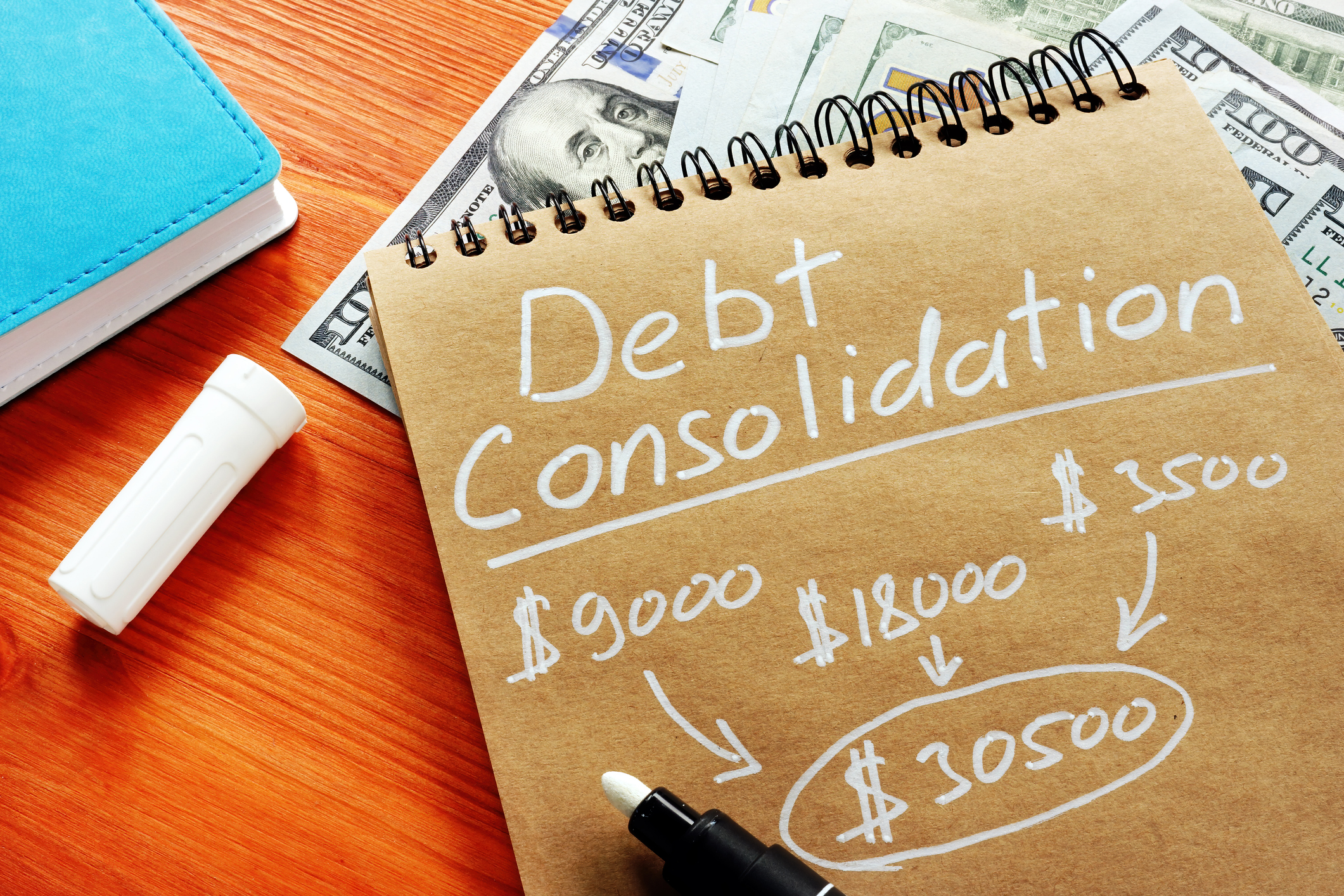




Consolidate to a single, lower payment
Get a free savings quote in 2 minutes
Free & takes 2 minutes