Alternatives to Bankruptcy: Try This Option First

TrustedCompanyReviews.com (TCR) accepts advertising compensation from affiliate partners that we review and feature on our site, which impacts the location and order in which products, services and companies are presented, and also impacts the score that is assigned to it. The reviews, rankings, and product information of affiliates constitute advertising. TCR is not paid to publish content and does not permit its affiliates, or any third party, to control or otherwise approve any of its content. Company listings on this page DO NOT imply endorsement. TCR does not feature all providers on the market. Except as expressly set forth in our Terms of Use, all representations and warranties regarding the information presented on this page are disclaimed. The information, including pricing, that appears on this site is subject to change at any time.
Key takeaways
- A debt consolidation loan is often the strongest alternative to bankruptcy for borrowers who still have steady income and qualifying credit.
- Hardship programs from existing creditors can temporarily reduce or pause payments without any new financial product.
- Direct negotiation with creditors can produce settled balances or modified payment terms.
- Bankruptcy makes the most sense when alternatives have been exhausted, and debt is no longer realistically repayable.
Bankruptcy is a real tool with real protections, but it carries lasting consequences (credit damage for 7 to 10 years, possible asset liquidation, public record). For many borrowers, alternatives produce better outcomes with less long-term damage.
The most effective alternative for most borrowers is a debt consolidation loan. This guide covers consolidation and the other options worth exhausting before filing bankruptcy.
Why Try Alternatives First
Bankruptcy works, but it has real costs:
- Credit damage: 130 to 240+ points immediately, with 7 to 10 years on your credit report, depending on whether you file Chapter 13 or Chapter 7.
- Public record: Bankruptcy filings are public.
- Asset risk: Chapter 7 may require liquidation of non-exempt assets.
- Cost: Filing fees plus attorney fees of $1,500 to $6,000.
- Future borrowing: Mortgage, auto, and unsecured credit access narrow significantly for years.
If you can resolve the debt without filing, the long-term financial picture is almost always better. Most alternatives carry less credit damage and don't appear as a public legal proceeding.
Alternative 1: Debt Consolidation Loan
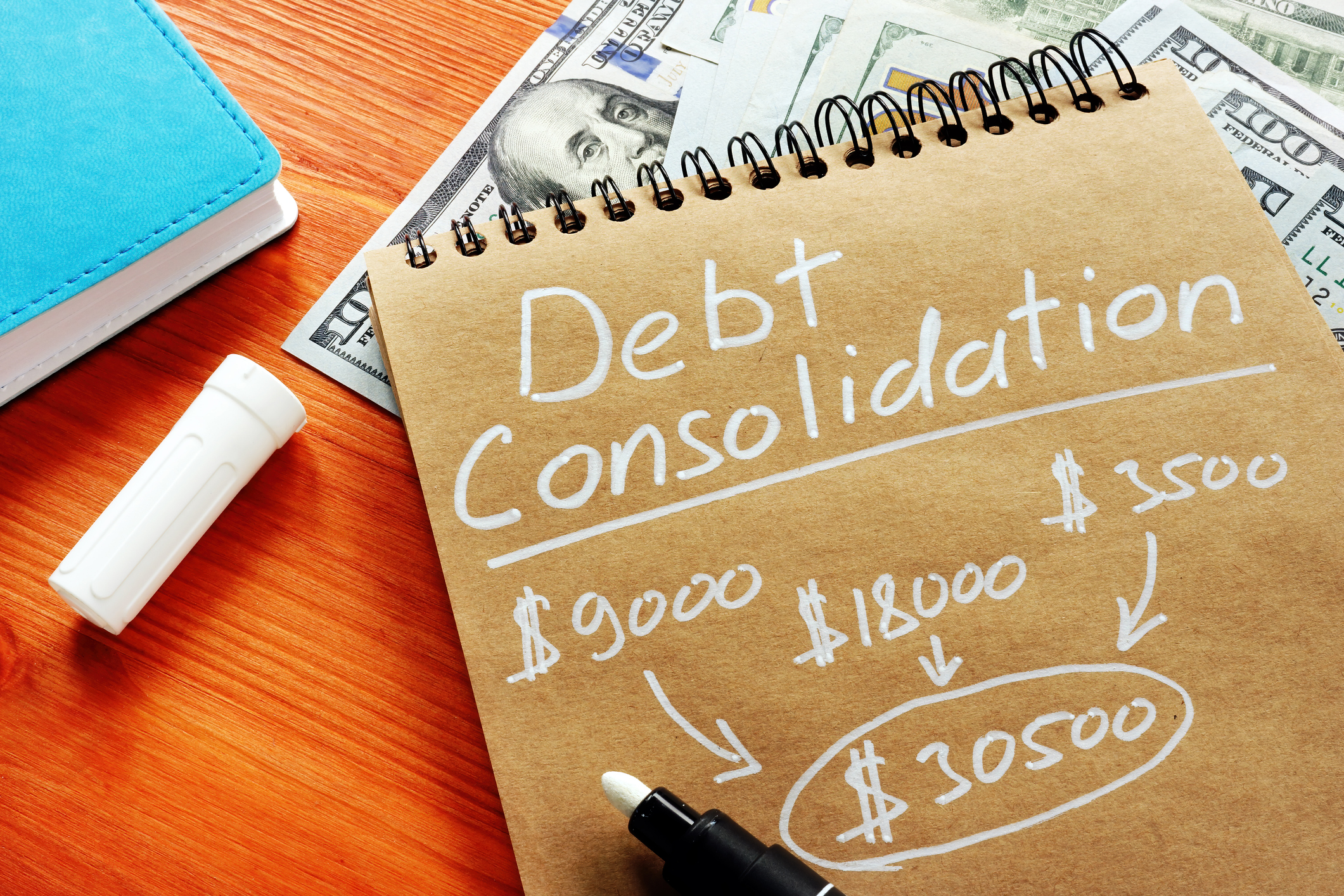
A debt consolidation loan replaces your existing debts with a single fixed-rate personal loan, typically at a lower interest rate than what you're currently paying on credit cards. For most borrowers with steady income and credit scores of 620 or higher, this is the strongest alternative to bankruptcy.
How it compares to bankruptcy:
- Credit damage: A new loan typically causes a 5 to 20-point dip, far less than bankruptcy.
- Repayment: 2 to 7 years of fixed payments instead of a Chapter 13 plan or the public record of Chapter 7.
- Cost: Origination fees of 1% to 8%, far less than combined filing and attorney fees.
- Privacy: No public record.
Pre-qualifying with two or three lenders using soft credit checks reveals whether you qualify for a rate that produces real savings, without affecting your credit score.
Alternative 2: Hardship Programs from Existing Creditors
Many credit card issuers and lenders offer hardship programs for borrowers experiencing temporary financial difficulty. These programs can:
- Temporarily reduce or waive minimum payments.
- Pause interest accrual for a defined period.
- Restructure existing debt into a lower-rate payment plan.
- Defer payments without late fees during a hardship window.
Calling the lender's customer service line and asking specifically about hardship programs is the simplest first step. Most issuers do not advertise these programs prominently, but they exist for borrowers who ask. Hardship programs typically work best for borrowers facing temporary disruption (job loss, medical issue, family emergency) who expect to recover financially.
Alternative 3: Direct Negotiation with Creditors
Creditors sometimes accept less than the full balance to settle the debt, particularly when the account is already past due or in collections. Direct negotiation can produce:
- A lump-sum settlement for less than the full balance (often 30% to 60% of the original debt).
- A modified payment plan with reduced interest or extended terms.
- A re-aging of the account that allows you to bring it current with a single payment.
- Removal of negative reporting in exchange for payment (sometimes called pay-for-delete, though less common now).
Important: Forgiven debt over $600 may be reported as taxable income by the creditor. Factor the potential tax impact into the math before accepting a settlement offer.
Alternative 4: Debt Consolidation Plan Through a Counseling Agency
If your credit score doesn't qualify you for a competitive consolidation loan rate, a debt consolidation plan through a nonprofit credit counseling agency can fit. The agency negotiates lower rates with your creditors, you make a single monthly payment to the agency, and the agency distributes funds.
These programs typically run 3 to 5 years and require closing the participating credit card accounts, but they provide structured guidance for borrowers who can pay something each month but can't manage their existing accounts directly.
Alternative 5: Aggressive Direct Repayment
If your debt level is borderline and you have some budget flexibility, an aggressive direct-repayment strategy can work without any new financial product. The avalanche method (highest APR first) minimizes total interest. The snowball method (smallest balance first) builds motivation through faster early wins.
This option works best for borrowers under $15,000 in total debt who can commit to substantial extra monthly payments.
When to Choose Each Alternative
The right alternative depends on debt size, credit profile, income stability, and how urgent the situation feels.
| If This Describes You | First Alternative to Try |
| $10,000+ debt, steady income, credit 620+ | Debt consolidation loan |
| Temporary income disruption, current accounts not yet delinquent | Hardship program from existing creditor |
| Already 60+ days late, credit damaged, but income returning | Direct negotiation with creditors |
| Steady income, credit below 620, prefer structure | Debt consolidation plan through a counseling agency |
| Smaller debt under $10,000 with budget flexibility | Aggressive direct repayment |
When Bankruptcy Becomes the Right Call
Bankruptcy makes the most sense when the alternatives genuinely cannot resolve the situation:
- Total debt exceeds what you could realistically repay within 5 to 7 years, even with consolidation.
- You don't qualify for consolidation at any meaningful rate due to credit damage.
- Multiple accounts are in collections or facing lawsuits.
- Income disruption is permanent (long-term disability, retirement on a fixed income with insufficient resources).
- Wage garnishment, lawsuits, or foreclosure are imminent or already underway.
In those situations, bankruptcy's automatic stay and discharge can provide a real reset that no other option can match.
Conclusion
Bankruptcy works, but the credit damage, asset risk, and public record make it a serious step worth taking only after alternatives are exhausted. For most borrowers with steady income and qualifying credit, a debt consolidation loan resolves the underlying problem with far less long-term damage.
Hardship programs, direct negotiation, debt consolidation plans through counseling agencies, and aggressive direct repayment fit different situations and can produce real results without filing.
Bankruptcy remains the right answer when these alternatives genuinely cannot resolve the debt, but for many borrowers, it is not the first option they need.
FAQs
What's the best alternative to bankruptcy?
The best alternative to bankruptcy for most borrowers with steady income and credit scores of 620 or higher is a debt consolidation loan, which replaces multiple high-rate debts with a single fixed-rate loan and avoids the credit and asset consequences of filing. For borrowers with damaged credit or temporary hardship, hardship programs from existing creditors or a debt consolidation plan through a counseling agency may fit better.
Can I avoid bankruptcy if I am already being sued by a creditor?
You can sometimes avoid bankruptcy even when a creditor lawsuit is in progress. Settling the debt before judgment, negotiating a payment plan, or consolidating multiple debts to bring everything current may resolve the situation. The window narrows significantly once a judgment is entered, since the creditor gains access to garnishment, bank levies, and property liens.
Will negotiating with creditors hurt my credit as much as bankruptcy?
Negotiating with creditors typically causes less credit damage than bankruptcy, though it is not damage-free. Settled accounts often appear as 'settled for less than full balance,' which is a negative notation but less severe than a bankruptcy filing. The credit impact also fades faster than bankruptcy's 7 to 10-year report duration.
How do I know when alternatives have run out?
Alternatives have run out when you've exhausted consolidation, hardship programs, and direct negotiation, and you still face debt that you cannot realistically repay within 5 to 7 years. Multiple accounts in collections, active wage garnishment, and an imminent foreclosure or lawsuit are also strong signals that bankruptcy may be the appropriate next step. Consulting a qualified bankruptcy attorney for a free initial consultation can clarify whether alternatives remain viable.



Consolidate to a single, lower payment
Get a free savings quote in 2 minutes
Free & takes 2 minutes