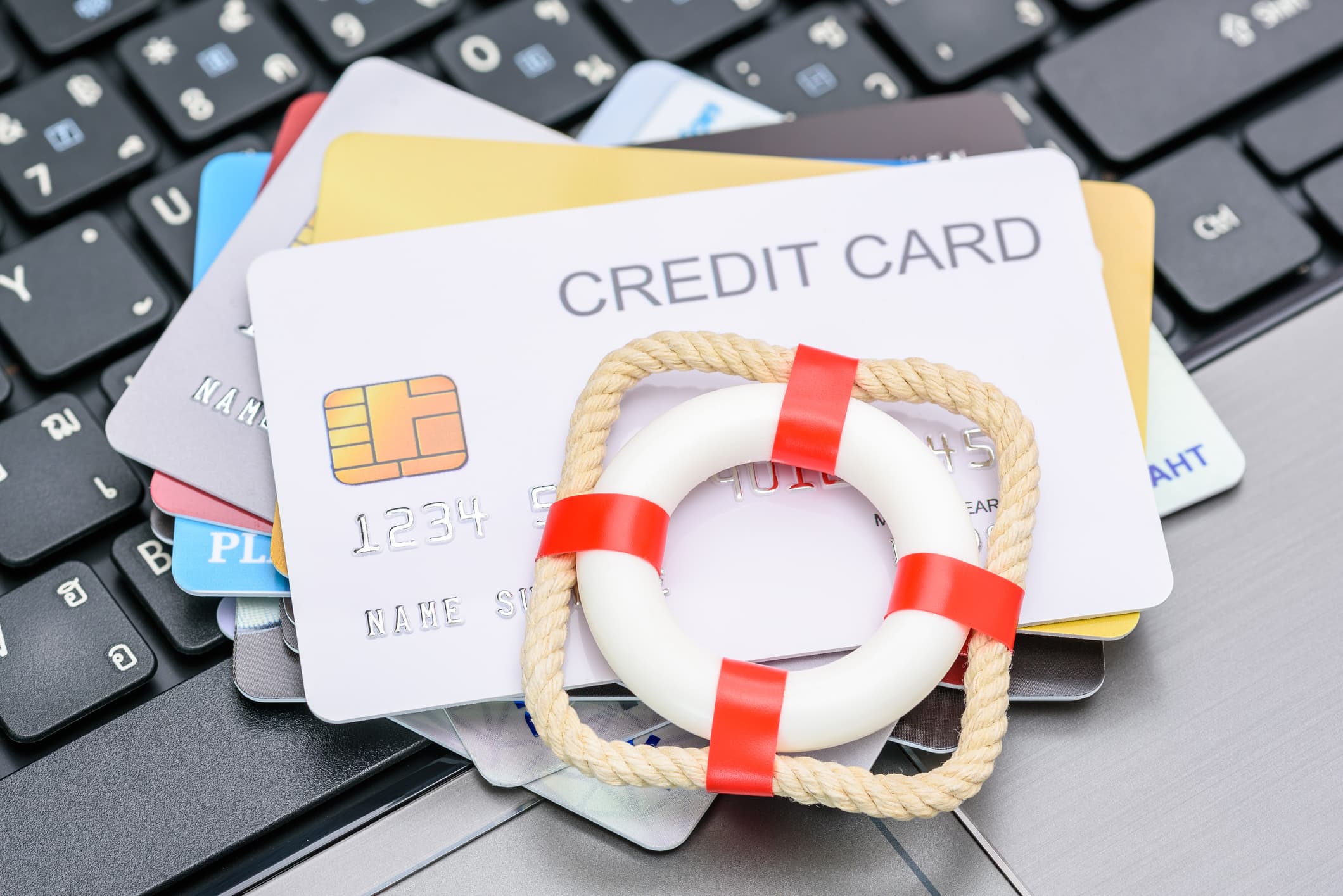
Debt consolidation vs bankruptcy? Provided you can qualify, debt consolidation is usually the better option. The process involves combining your high-interest debts into just one simple monthly payment.
Debt consolidation is an effective tool for paying down debt faster and at a lower overall cost than making individual payments to multiple lenders each month. It's even possible, in some cases, to reduce your total monthly payment amounts. Even better, debt consolidation avoids the long-lasting damage bankruptcy can leave on your credit report.
However, if you’re buried under multiple debts, already behind on payments, or can’t get approved for a consolidation loan, bankruptcy might be the only legal option left.
Here's a quick side-by-side comparison so you can see the differences at a glance and figure out which choice makes the most sense for your financial situation.
Debt Consolidation vs Bankruptcy At-a-Glance
Deciding between debt consolidation and bankruptcy requires a clear understanding of the details of each option. The table below outlines the core differences between the two and their potential impact on your finances.
Bankruptcy | Debt Consolidation | |
How it works | A legal process involving potential asset liquidation (Chapter 7) - or a court-approved repayment plan (Chapter 13); includes an automatic stay to halt collection efforts. | Consolidates multiple debts into one through a personal loan, balance transfer card, or HELOC, often at a lower interest rate. |
Who it’s best for | Individuals who are unable to pay their debts, facing foreclosure or repossession, or who have no access to debt consolidation loans or programs. | Individuals who qualify, have reliable income, high-interest debts, and are looking to lower interest rates and simplify payments. |
Impact on credit | Severe. Stays on your credit report for 7 or 10 years. | Hard inquiry will cause a small dip initially, but responsible on-time payments can help rebuild credit over time. |
Debt Consolidation Pros and Cons
Pros
Potentially lower interest rate
Saves money over the long term
Includes just a single monthly payment
Cons
Qualifications vary based on the type of consolidation funding
Risk of overspending if old accounts stay open
Bankruptcy Pros and Cons
Pros
Stops collection efforts
Eliminates many types of debts and payments
Cons
Severe negative credit impact
May not eliminate all debt
What Is Bankruptcy?
Bankruptcy is a legal process, handled in a court of law, that can eliminate many unsecured debts and stop collection efforts by your creditors. There are two common types of bankruptcy available to consumers, each with different processes and goals. However, each comes with serious long-term credit consequences.
The United States Courts webpage defines bankruptcy this way: "Bankruptcy helps people who can no longer pay their debts get a fresh start by liquidating assets to pay their debts or by creating a repayment plan."
Chapter 7 bankruptcy is often best if you have few assets at risk, while Chapter 13 bankruptcy may be best if you wish to retain any assets that you may lose in a Chapter 7 bankruptcy situation.
Chapter 7 Bankruptcy
May have to give up assets to satisfy creditors
Designed for individuals with low income or few assets
Remains on your credit for up to 10 years
Fast results, eliminates many debts and payments, stops collection efforts
Credit takes a major hit
Doesn't eliminate taxes, alimony, child support, and some other debts
Chapter 13 Bankruptcy
Establishes a 3 to 5-year repayment plan instead of losing assets
Allows you to hold onto your assets and catch up on past payments
Stays on your credit report for 7 years
Avoids foreclosures
Helps make monthly payments affordable
Failure to follow the court-ordered plan can result in resumed collections
What Is Debt Consolidation?
Debt consolidation involves taking out a new, single loan or credit account to pay off multiple high-interest loans or balances, with the goal of simplifying payments and reducing the total cost of your debt. The best debt consolidation companies typically offer personal loans specifically designed for this purpose. However, there are other ways to accomplish consolidation.
Related Article: How to Consolidate Credit Card Debt
Best For | Pros and Cons | |
Debt Consolidation Loan | High credit card debt, steady income | Lower APR and equal monthly payments – often requires credit approval |
Balance Transfer Card | Small balances, short payoff plans | 0% intro APR – transfer fees apply |
HELOC/Home Equity Loan | Homeowners with equity | Low rates, flexible terms – your home acts as collateral |
How Do They Affect Credit?
Bankruptcy: Severe, long-lasting credit impact. However, the reduction in debt stops collection activities and can provide a fresh financial start.
Debt Consolidation: As with any personal loan or other credit acquisition, the hard inquiry will temporarily lower your credit score. However, consistent on-time payments and a lower debt to income ratio, if you don't add on more debt, can improve your score over time.
Related Article: How Does Debt Consolidation Affect Your Credit?
Which Should You Choose?
Consider Bankruptcy if You:
Are behind on your debts or you can't afford your monthly payments.
Are facing foreclosure, repossession, or creditor lawsuits.
Have a financial situation that makes debt consolidation solutions out of reach.
Consider Debt Consolidation if You:
Have stable income and can qualify for a debt consolidation solution.
Are struggling with high-interest credit card balances or multiple payments.
Want a structured payoff plan with less damage on your credit report and score.
Read More: 9 Real-Life Factors to Consider When Borrowing Money
Frequently Asked Questions
Conclusion
Debt Consolidation vs Bankruptcy
Both debt consolidation and bankruptcy are tools for managing difficult financial situations. However, they use different approaches and feature very different outcomes.
Debt consolidation is the most favorable route when you can qualify, potentially offering lower interest rates, cost savings over time, and a much less detrimental effect on your credit score.
Bankruptcy, while more extreme, can provide a necessary reset when you have limited financial options to deal with extensive debt.
About Author

Deane Biermeier
Deane Biermeier is a certified financial educator through the University of Minnesota and a respected authority in financial research, writing, and editing, renowned for his in-depth analyses and expert advice. With a distinguished career that previously spanned home improvement, real estate, and finance topics, Deane's role at Trusted Company Reviews focuses exclusively on finance. Deane has contributed to leading publications such as Forbes Home, US News and World Report, Newsweek Vault, and others. Since joining TrustedCompanyReviews.com in 2023, he has solidified his reputation as a crucial resource for clear, factual financial guidance.