How to Choose the Right Debt Consolidation Plan for Your Situation: A Step-by-Step Guide


Key takeaways
- A debt consolidation plan combines multiple debts into a single payment, but the specific method varies.
- The four main paths are personal consolidation loans, balance transfer cards, structured repayment plans through nonprofit agencies, and home equity products.
- Debt amount, credit score, and timeline are the three biggest factors in choosing the right plan.
- Pre-qualifying with two or three lenders before committing surfaces the real options for your situation.
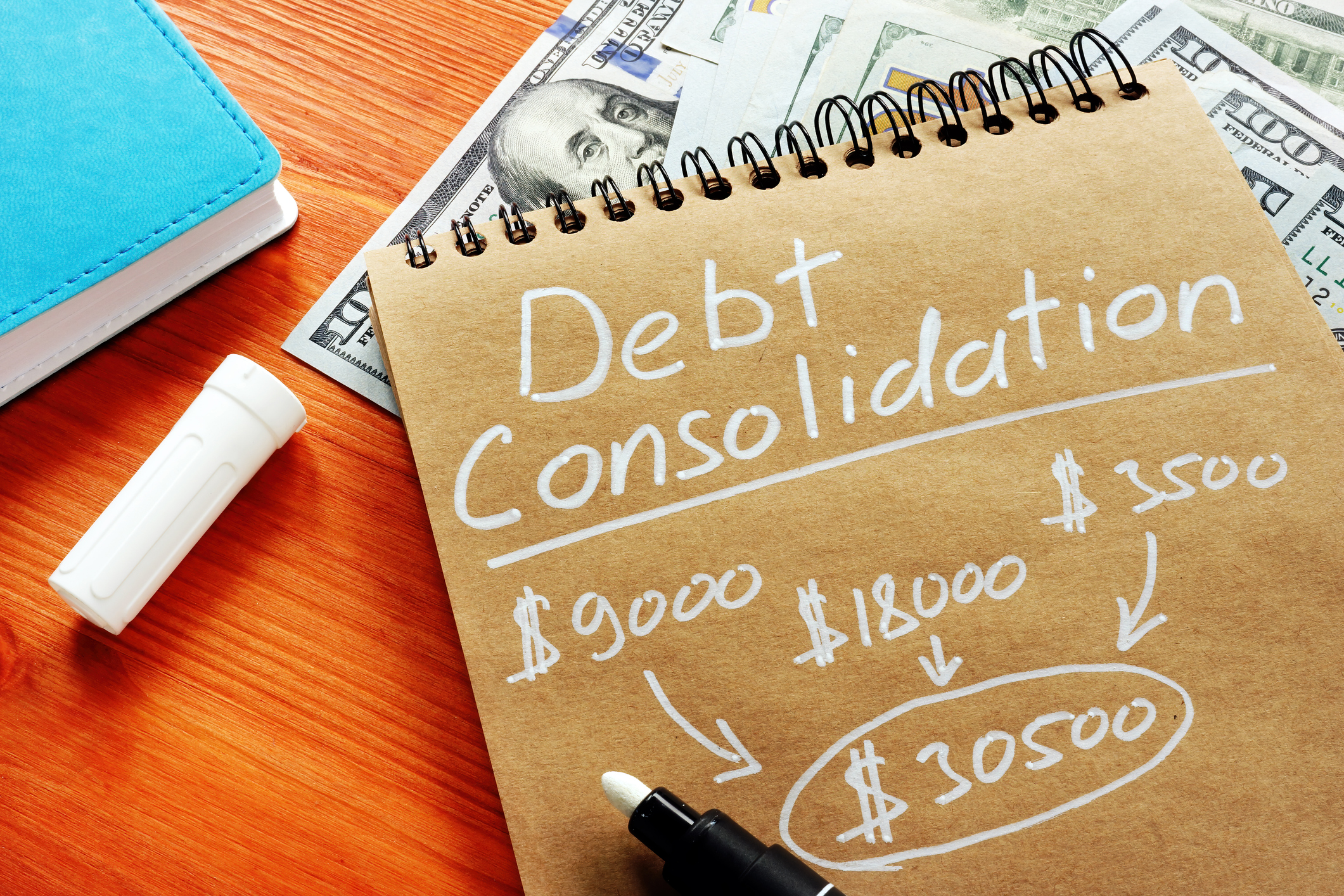
A debt consolidation plan can mean different things depending on which method you choose. The right plan depends on your debt amount, credit profile, repayment timeline, and which specific product those factors make you eligible for.
This guide walks through the four main consolidation paths and how to choose between them based on the factors that actually matter.
The Four Main Debt Consolidation Plans
1. Personal Consolidation Loan
A personal consolidation loan is a fixed-rate personal loan that pays off your existing debts. Most range from $10,000 to $80,000 with terms of 2 to 7 years. Typical APRs run 6% to 36%, depending on your credit profile. Best for borrowers with steady income and credit scores of 620 or higher.
2. Balance Transfer Card
A balance transfer card is a credit card with a 0% introductory APR for 12 to 21 months that you use to move existing card balances. Best for smaller balances under $10,000 you can pay off during the promo period. Requires good to excellent credit (typically 670 or higher).
3. Debt Consolidation Plan Through a Counseling Agency
A debt consolidation plan is a structured repayment program administered by a nonprofit credit counseling agency. The agency negotiates lower rates with creditors, and you make a single monthly payment to the agency. Best for borrowers who can't qualify for a competitive consolidation loan rate but have steady income.
4. Home Equity Loan or HELOC
A home equity loan, or HELOC, is a loan secured by your home's equity, often at lower rates than unsecured options. Best for homeowners with significant equity who can comfortably manage the new payment and accept that the home becomes collateral, which means foreclosure risk if you can't make payments.
The Three Factors That Determine the Right Plan
A few practical factors usually narrow the options before you talk to any lender.
1. How Much Do You Owe?
Debt Amount | Plans to Consider |
Under ~$10,000 | Balance transfer card |
$10,000 to $80,000 | Personal consolidation loan or debt consolidation plan |
$50,000+ with home equity | HELOC or home equity loan |
$50,000+ no home equity | Personal consolidation loan or debt consolidation plan |
2. What's Your Credit Score?
720+: Most paths open. A personal consolidation loan or 0% balance transfer card usually offers the best rates.
620 to 719: A personal consolidation loan or debt consolidation plan typically fits best.
Under 620: A debt consolidation plan or secured loan may be more accessible than an unsecured personal loan.
3. How Quickly Can You Repay?
Under 18 months: A balance transfer card may save the most.
18 months to 5 years: A personal consolidation loan or debt consolidation plan fits best.
5+ years: Personal consolidation loan with extended term, or HELOC for homeowners.
How to Decide Step by Step
Once the broad direction is clear, the specific decision follows a short sequence.
List your total debt, individual balances, APRs, and minimum payments.
Calculate your weighted average APR. This is the rate any consolidation plan needs to beat.
Pull your credit score using a free credit-monitoring service.
Pre-qualify with two or three lenders using soft credit checks.
Compare each offer on APR, origination fee, monthly payment, and total cost over the life of the loan.
Pick the plan that produces the lowest total cost while remaining affordable monthly.
Which Plan Fits Each Situation?
The decision usually maps cleanly to a few common borrower profiles.
If This Describes You | Plan to Consider |
Steady income, fair-to-good credit, $10K+ debt | Personal consolidation loan |
Smaller balance, good credit, can pay off quickly | Balance transfer card |
Lower credit, steady income, need structured guidance | Debt consolidation plan through a counseling agency |
Homeowner with significant equity, comfortable with collateral risk | HELOC or home equity loan |
When None of the Plans Make Sense
Sometimes the math doesn't work. Consolidation may not be the right move if:
The new APR is similar to or higher than your current weighted average.
Origination fees consume most of the projected savings.
Your debt-to-income ratio is too high to qualify for a meaningful loan amount.
Your debt is more than you can realistically repay within seven years.
In those cases, direct debt repayment, hardship programs from existing lenders, or other approaches may fit better.
Conclusion
The right debt consolidation plan depends on your debt amount, credit score, repayment timeline, and comfort with collateral. For most borrowers with $10,000 or more in unsecured debt and credit scores of 620 or higher, a personal consolidation loan offers the best balance of cost, predictability, and control.
Smaller balances repaid quickly may fit a balance transfer card better, while lower-credit borrowers may find a debt consolidation plan through a counseling agency more accessible.
Financial experts and consumer advocates generally recommend mapping out your full debt picture before choosing any plan, then pre-qualifying with multiple lenders to confirm which option actually saves money for your situation.
FAQs
What's the difference between a debt consolidation loan and a debt consolidation plan?
A debt consolidation loan is a personal loan you take out to pay off other debts directly. A debt consolidation plan is typically a structured repayment program administered by a nonprofit credit counseling agency that negotiates with creditors on your behalf. Both consolidate multiple debts into a single monthly payment but work differently and fit different credit profiles.
How do I know which debt consolidation plan is right for me?
The right debt consolidation plan depends on the debt amount, credit score, and how quickly you can repay. Borrowers with $10,000 or more in debt and credit scores of 620 or higher typically fit a personal consolidation loan best. Smaller balances repaid quickly often fit a balance transfer card. Lower credit scores often fit a debt consolidation plan through a counseling agency.
Will choosing the wrong plan hurt my credit?
Choosing a plan you can't realistically follow through on can hurt your credit through missed payments. Choosing a plan with an APR similar to your existing rates can produce no real savings. The safest approach is to pre-qualify with two or three lenders before committing, which reveals real options without affecting your credit score.
Can I switch debt consolidation plans later?
You can switch debt consolidation plans later, though doing so may carry costs. Refinancing a personal consolidation loan into a new loan with a better rate is straightforward if your credit has improved. Switching from a debt consolidation plan to a loan or vice versa typically requires fully exiting the first plan before entering the second.