What Is a Consolidation Loan?


Key takeaways
- A consolidation loan is a personal loan used to pay off multiple existing debts.
- Most range from $10,000 to $80,000, with terms of 2 to 7 years.
- The current average personal loan APR is roughly 12%, based on Federal Reserve data, with rates ranging from about 6% to 36% depending on credit.
- Origination fees usually cost between 1% and 8% of the loan amount.
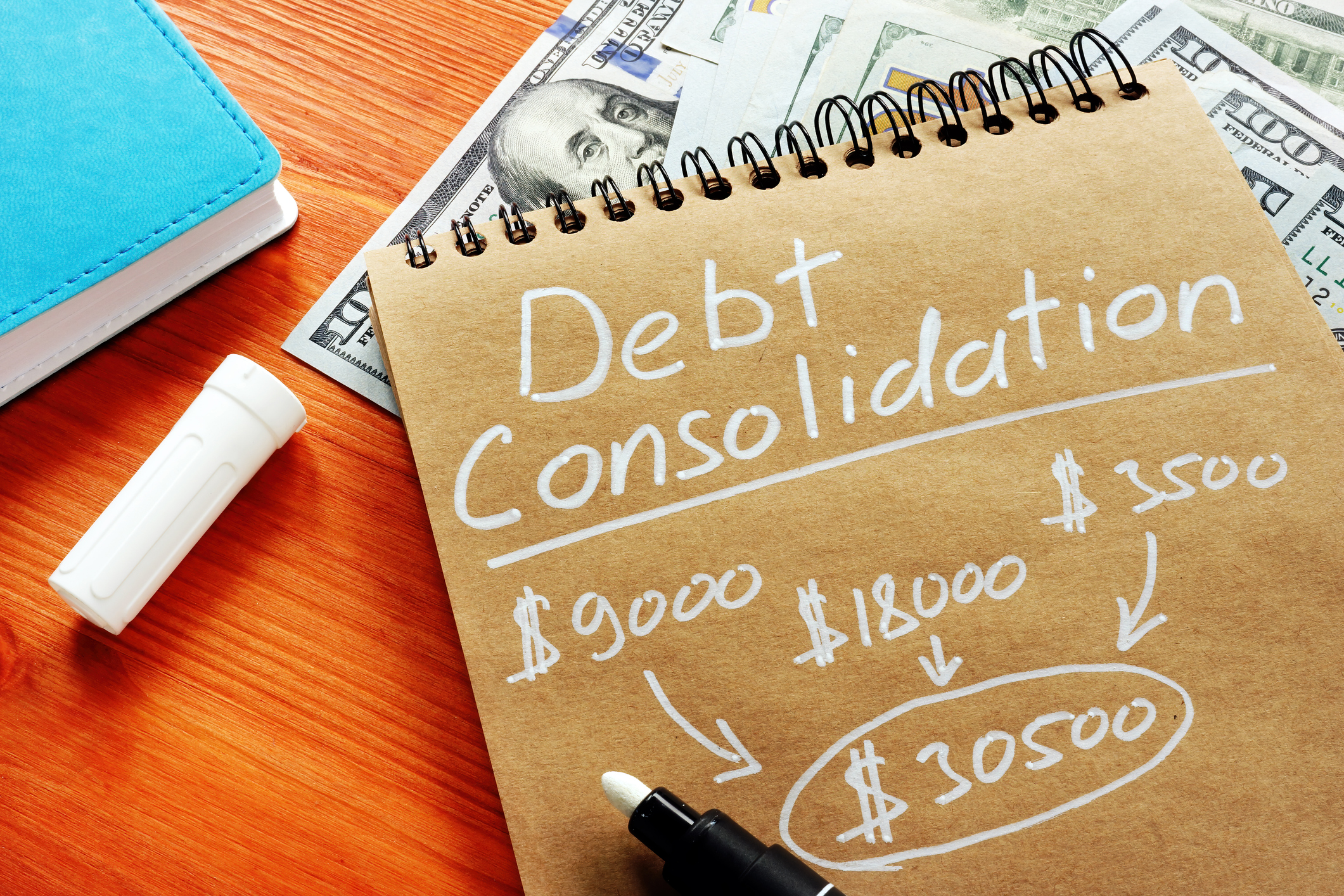
A consolidation loan is a personal loan you use to pay off multiple existing debts, leaving you with a single fixed monthly payment, one interest rate, and one payoff date. It's a great method people use when “consolidating debt.” The goal is to reduce or eliminate high-interest debt, including credit card and other unsecured loan balances, with a lower-rate installment loan.
If you're juggling several balances at different interest rates and due dates, a consolidation loan can bring everything under a single, predictable payment. It doesn't reduce what you owe in terms of principal, but it can make repayment less costly and easier to manage.
How Does a Consolidation Loan Work?
You apply for the loan, use the funds (or have the lender send them directly to your creditors) to pay off your existing balances, and then make one fixed monthly payment to the new lender. The payback period typically lasts between 2 and 7 years, and ends when you pay off the loan.
Most consolidation loans are unsecured, meaning they don't require collateral. Your interest rate, loan amount, and term length depend on your credit profile, income, and the lender's requirements.
What Debts Can a Consolidation Loan Cover?
Paying off unsecured debts, such as credit cards, medical bills, and personal or signature loans is the primary purpose for using a consolidation loan.
Common debts to consolidate with a typical consolidation loan:
Credit card balances
Other personal loans
Medical bills
Some retail store charge accounts
Past-due utility or service balances (varies by lender)
Debts that typically can't be consolidated with a standard consolidation loan:
Mortgages
Auto loans
Federal student loans (these have their own consolidation program through the U.S.
Department of Education or through specific lenders)
Debts already in collections (eligibility depends on the lender)
*Note that home equity loans and HELOCs are separate products sometimes used for debt consolidation, but they are not the same as a personal consolidation loan.
Who Qualifies for a Consolidation Loan?
Not everyone will qualify for a consolidation loan. However, most lenders evaluate the same core factors to determine eligibility.
Credit score (often 620 or higher for the most competitive rates)
Steady, verifiable income
Debt-to-income ratio (usually under 40 to 50%)
Payment history on existing debts
Lower scores won't always disqualify a borrower. However, they usually result in higher interest rates or smaller loan amounts. Comparing multiple lender offers can yield noticeably different APRs and loan amounts.
How Much Can You Save With a Consolidation Loan?
How much you can save with a consolidation loan depends on the gap between your current interest rates and the new loan rate. The biggest gains usually come from replacing high-interest credit card debt with a lower-rate loan.
According to the most recent Federal Reserve G.19 data, the average APR on credit card accounts assessed interest was 21.52%, while the average personal loan APR is closer to 12%. Replacing $20,000 in card debt at 22% with a 5-year loan at 12% can save thousands in interest, even after origination fees. |
That said, the math doesn't always work. If your credit only qualifies you for a loan with an APR near your existing card rates, the fee can leave you worse off.
When Does a Consolidation Loan Make Sense?
A consolidation loan tends to be a good fit when:
You have steady income and can qualify for a meaningfully lower rate
You have enough debt to justify any origination fees
You can commit to the fixed monthly payment
You're willing to stop using the cards you pay off
It's likely not the right move if:
You can't qualify for a lower rate than your current debt average
The origination fee offsets most of the interest savings
You'd be likely to run the paid-off cards back up
Will a consolidation loan close my credit cards?
A consolidation loan pays off card balances but does not automatically close the accounts. Whether to close them is your call. Keeping older cards open with no balance often helps your credit score by preserving available credit and account age.
Conclusion
A consolidation loan replaces multiple high-interest debts with a single, fixed-rate payment. For borrowers with steady income and fair-to-good credit, it can simplify repayment and reduce total interest costs. Choosing a consolidation loan for your finances depends on the rate you qualify for, the fees, and your willingness and ability to stick with the repayment plan.
FAQs
Is a consolidation loan the same as debt consolidation?
Not exactly. Debt consolidation is a general strategy for combining debts. A consolidation loan is one specific type of product used to do that. Other methods include balance transfer credit cards, debt consolidation programs, and home equity options.
What credit score do I need for a consolidation loan?
Most lenders prefer a credit score of 620 or higher for competitive rates. Some lenders work with lower scores, but rates and fees tend to be higher. Borrowers with scores above 720 typically qualify for the most favorable terms.
How long does it take to get a consolidation loan?
After approval, funding usually takes 1 to 7 business days. Some online lenders fund as quickly as the same or next business day. Paying off your existing creditors with the funds may add a few more business days.