What Actually Happens When You File Bankruptcy: The Real Timeline and Consequences

TrustedCompanyReviews.com (TCR) accepts advertising compensation from affiliate partners that we review and feature on our site, which impacts the location and order in which products, services and companies are presented, and also impacts the score that is assigned to it. The reviews, rankings, and product information of affiliates constitute advertising. TCR is not paid to publish content and does not permit its affiliates, or any third party, to control or otherwise approve any of its content. Company listings on this page DO NOT imply endorsement. TCR does not feature all providers on the market. Except as expressly set forth in our Terms of Use, all representations and warranties regarding the information presented on this page are disclaimed. The information, including pricing, that appears on this site is subject to change at any time.
Key takeaways
- Filing bankruptcy triggers an automatic stay that pauses most creditor collection actions immediately.
- Chapter 7 typically discharges qualifying unsecured debt in 3 to 6 months. Chapter 13 sets up a 3 to 5-year repayment plan.
- Bankruptcy stays on your credit report for 7 years (Chapter 13) or 10 years (Chapter 7).
- Some debts (federal student loans, recent taxes, child support, alimony) typically survive bankruptcy.
Bankruptcy is a serious legal process with both meaningful protections and lasting consequences. Knowing what actually happens at each stage can help you decide whether it fits your situation and what to expect if you move forward.
This guide walks through the bankruptcy process, the credit and financial consequences, what gets discharged, what survives, and how the timeline plays out.
Step 1: Pre-Filing Requirements
Before you can file bankruptcy, federal law requires completion of credit counseling from an approved provider within 180 days of filing. The session typically takes 60 to 90 minutes, can be completed online or by phone, and produces a certificate you submit with your bankruptcy petition.
You also need to gather documentation: a list of all creditors and amounts owed, recent income records (typically 6 months), tax returns (2 to 4 years), a list of monthly expenses, and an inventory of assets.
Step 2: Filing the Petition
Filing the bankruptcy petition starts the formal process. The petition is filed in federal bankruptcy court, typically through a bankruptcy attorney, though self-filing is legally permitted (and discouraged for most filers due to the procedural complexity).
According to the U.S. Courts, filing fees are currently around $338 for Chapter 7 and $313 for Chapter 13, with attorney fees typically running $1,500 to $6,000 depending on case complexity. (all of which are subject to change)
Step 3: The Automatic Stay
The moment you file, federal law triggers an "automatic stay" that immediately halts most creditor collection activity. This includes:
- Phone calls and letters from creditors and debt collectors
- Wage garnishments already in process
- Bank account levies
- Foreclosure proceedings
- Eviction actions (with some exceptions)
- Lawsuits to collect debt
The automatic stay is one of the most powerful immediate effects of filing. It does not eliminate the debt, but it pauses collection while the bankruptcy case proceeds.
Step 4: Trustee Assignment and the Meeting of Creditors
A bankruptcy trustee is assigned to manage your case. Within about 21 to 40 days of filing, you attend a "meeting of creditors" (also called a 341 meeting), where the trustee asks questions about your finances under oath. Creditors can attend, but most do not.
The meeting typically lasts only a few minutes and is held in person or, increasingly, by video. Truthful, complete answers are required. The trustee may follow up with additional document requests or questions in the weeks afterward.
Step 5: Asset Review and Liquidation (Chapter 7) or Repayment Plan (Chapter 13)
What happens next depends on which chapter you filed.
Chapter 7: Liquidation
In Chapter 7, the trustee reviews your assets to identify any non-exempt property that can be sold to pay creditors. Most filers qualify as "no asset" cases, meaning all their property falls within state or federal exemptions and nothing is liquidated.
Common exemptions cover a primary residence (up to a state-specific cap), a vehicle (typically up to $4,000 to $7,000 in equity), retirement accounts (often fully protected), and household goods.
Chapter 13: Repayment Plan
In Chapter 13, you propose a 3 to 5-year repayment plan that uses your disposable income to pay creditors a portion of what you owe. The plan must satisfy specific legal requirements and be approved by the bankruptcy court. You make monthly payments to the trustee, who distributes funds to creditors.
Step 6: Discharge
Discharge is the formal legal release from personal liability for qualifying debts. After discharge, creditors cannot legally try to collect on discharged debts.
In Chapter 7, discharge typically arrives 3 to 6 months after filing. In Chapter 13, discharge arrives at the end of the 3 to 5-year plan, after all required payments are made.
What Gets Discharged
Most unsecured debts qualify for discharge:
- Credit card balances
- Medical bills
- Personal loans
- Older income tax debt (with specific conditions met)
- Some older judgments
What Typically Survives Bankruptcy
Some debts generally cannot be discharged or face strict conditions for discharge:
- Federal and most private student loans (except in rare hardship cases)
- Recent income tax debt (within the last 3 years)
- Child support and alimony
- Court-ordered restitution
- Most fines and penalties owed to government agencies
- Debts incurred through fraud
Credit Impact and Recovery Timeline
Bankruptcy is among the most damaging items that can appear on a credit report.
- Credit score drops typically range from 130 to 240+ points immediately after filing.
- Chapter 7 bankruptcy stays on your credit report for 10 years from the filing date.
- Chapter 13 bankruptcy stays on your credit report for 7 years from the filing date.
- Most filers see meaningful credit recovery within 2 to 4 years if they make consistent on-time payments on any post-filing credit accounts.
Conclusion
- Many filers can qualify for new credit (often secured cards or subprime auto loans) within months of discharge, though rates and terms are noticeably worse than pre-filing.
- Filing bankruptcy triggers immediate legal protections through the automatic stay, but it also carries significant long-term consequences, including credit score drops of 130 to 240+ points and a reporting period of 7 to 10 years.
- Chapter 7 can discharge most unsecured debt within 3 to 6 months, while Chapter 13 restructures debt into a 3 to 5-year repayment plan.
- For borrowers whose debt has grown beyond any realistic repayment capacity, bankruptcy can provide a genuine fresh start.
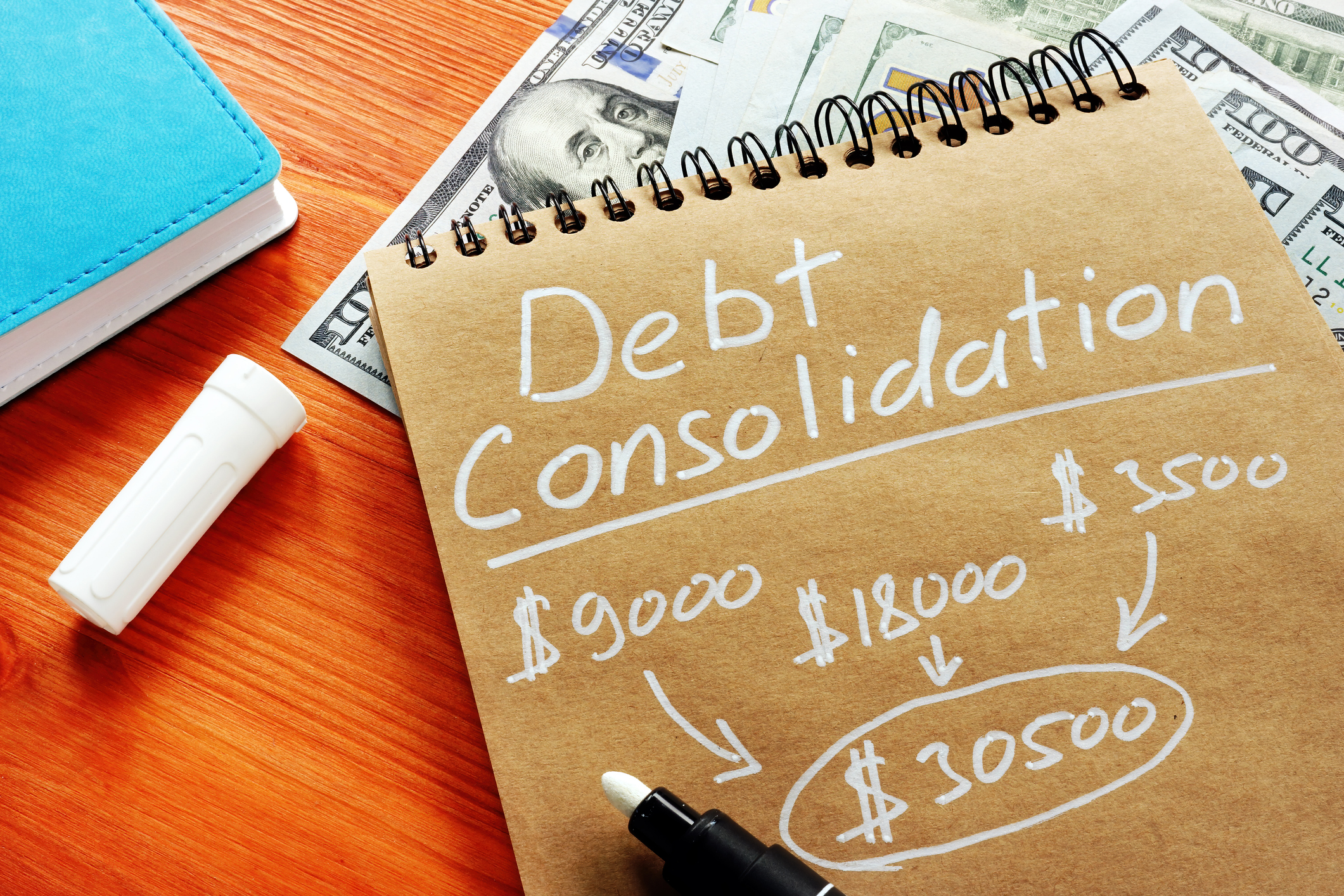
- For those who still have repayment options, alternatives like debt consolidation typically produce better long-term credit outcomes.
FAQs
How long does bankruptcy take from start to finish?
Chapter 7 bankruptcy typically takes 3 to 6 months from filing to discharge. Chapter 13 bankruptcy takes 3 to 5 years because the repayment plan must run its full course before discharge is granted.
Will I lose my house or car if I file bankruptcy?
Whether you keep your house or car in bankruptcy depends on your equity, your state's exemption laws, and the chapter you file. Most filers keep their primary residence and a vehicle through state or federal exemptions. Chapter 13 generally allows you to keep both as long as you stay current on payments and complete the repayment plan.
How long does bankruptcy stay on my credit report?
Chapter 7 bankruptcy stays on your credit report for 10 years from the filing date. Chapter 13 bankruptcy stays on your credit report for 7 years. Both can damage your credit score by 130 to 240+ points immediately after filing, though meaningful recovery is possible within 2 to 4 years with consistent on-time payments.
Can creditors still contact me after I file bankruptcy?
Creditors generally cannot contact you to collect debt after you file bankruptcy. The automatic stay halts collection activity immediately upon filing. Creditors who continue to contact you after the stay is in place may face legal sanctions.