LendingClub Rebrands as Happen Bank: New Name, Same 5 Million Members, More Products
LendingClub's transition to Happen Bank marks the next chapter in its evolution from online lender to full-service digital bank.

Written by
Deane Biermeier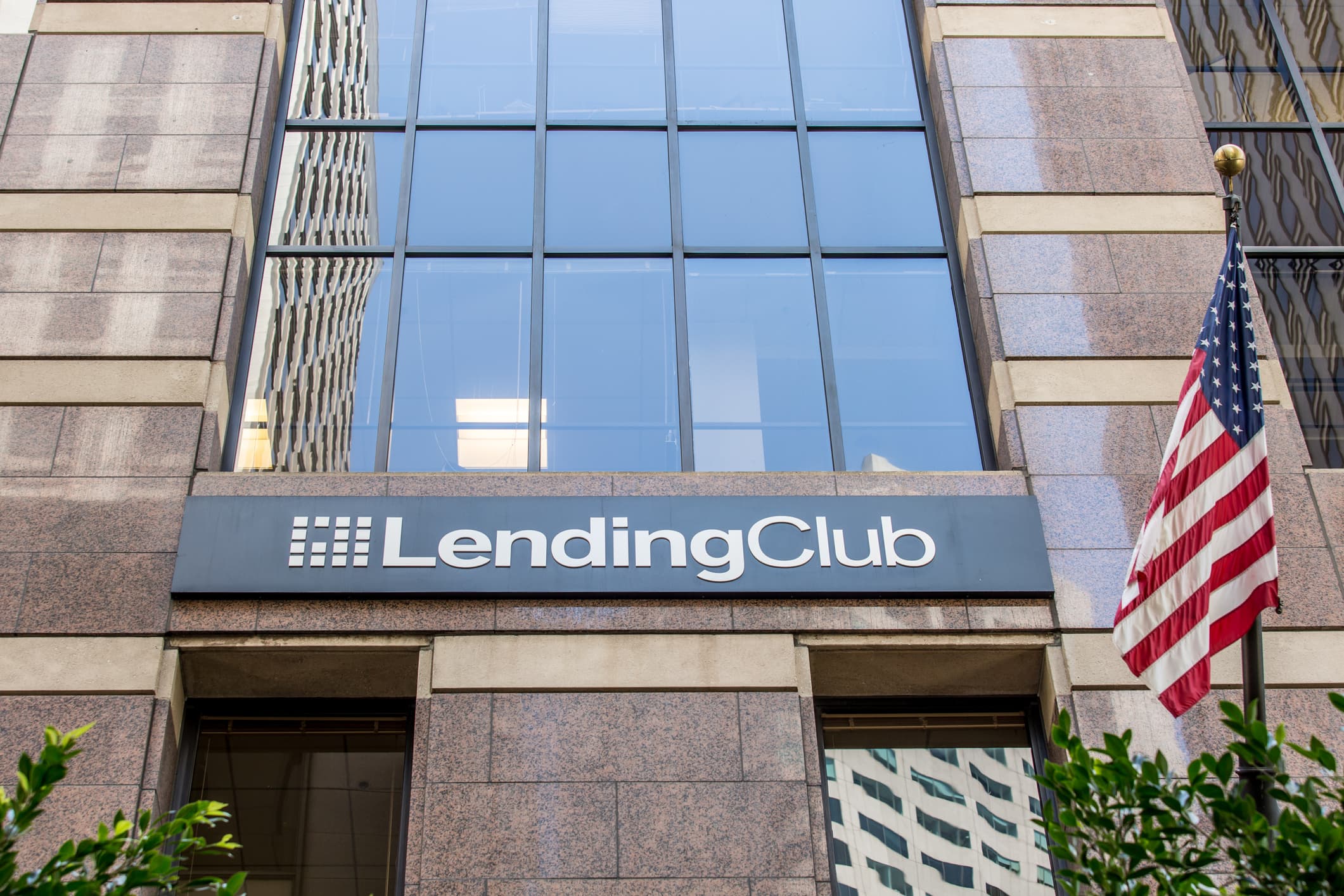
LendingClub Rebrands as Happen Bank
Story:
LendingClub, the pioneering online lender that helped launch the peer-to-peer lending industry two decades ago, has rebranded as Happen Bank. The transition was announced in April 2026 and was completed this summer.
Key Takeaways
|
As of June 22, 2026, the corporate parent is now Happen, Inc., and the banking subsidiary is Happen Bank. The company now trades on Nasdaq under the ticker HAPN, moving away from the New York Stock Exchange, where it traded as LC for two decades.
Account terms, existing loans, and access credentials stay the same for the roughly 5 million members who have taken out a LendingClub loan or opened a deposit account. The change for them is more cosmetic than substantive. However, significant changes are in store for new customers. Here’s what the rebrand means, why the company is making the change, and what to watch for.
Related Story: Accredited Debt Relief Racks Up 2026 Industry Recognition
What’s Changing (and What’s Not)
For existing customers, the rebrand primarily affects corporate identity, the banking entity, and the stock market listing, while existing customer relationships stay intact.
Name: LendingClub Corporation becomes Happen, Inc. (corporate parent) and Happen Bank (banking subsidiary).
Stock ticker: LC on the New York Stock Exchange becomes HAPN on Nasdaq.
Websites: LendingClub.com is transitioning, with customer information about the change hosted at MeetHappen.com.
What’s not changing
Existing loans, account terms, member relationships, and FDIC-insured deposit protections will see no significant changes.
Why LendingClub Is Becoming Happen Bank
The company states that it has “outgrown the LendingClub name” and is launching Happen Bank “to reflect our expanded banking capabilities and our core mission: to clear the way for people going places.”
LendingClub’s rebrand reflects how much the company has changed over the past two decades. When it launched in 2006, LendingClub was best known as one of the first peer-to-peer lending platforms, connecting borrowers with individual investors instead of traditional banks.
That changed significantly in 2021 when the company acquired Radius Bank and became a full-service digital bank. Today, Happen Bank offers checking and savings accounts, personal loans, debt consolidation, and other banking products alongside the lending services that originally made the company popular.
The new name better reflects the addition of a wider range of financial products the company now offers. Rather than being known primarily as a lending marketplace, Happen Bank is positioning itself as a digital bank that helps customers manage borrowing, saving, and everyday banking in one place.
What This Means If You Have a LendingClub Loan or Account
Little will change for existing customers.
Existing loan borrowers: Loan terms, payment schedules, and account access do not change. Payments continue to be honored.
Deposit account holders: Accounts transfer to Happen Bank and FDIC insurance continues without interruption. Your account numbers and login credentials stay the same.
New applicants: New loan and deposit applications will no longer go through LendingClub, but rather through the Happen Bank brand.
Communication: Watch for official emails and account notifications as the company settles into its new identity, and verify any communication referencing Happen Bank before clicking links. Rebrand situations often draw phishing attempts for both new and existing customers.
A Good Time to Review Your Banking Options
Whether you’re an existing LendingClub customer or just hearing about Happen Bank for the first time, the rebrand may be a good opportunity to take another look at what the company offers.
Existing customers may find products or features that weren’t available when they first opened an account, including updated personal loan, debt consolidation, checking, and savings options. Potential new customers, meanwhile, may discover that Happen Bank has grown into a broader digital banking platform than they expected.
If you’re considering a personal loan, debt consolidation, or a new banking relationship, it’s worth comparing Happen Bank’s current products with other leading lenders on Credible.com’s website to see which best fits your financial goals.
Read about updated banking product changes in our Happen Bank Review.
The New Nasdaq Ticker (HAPN)
The stock listing move is one of the more substantive elements of the rebrand, particularly for investors. LendingClub had traded as LC on the New York Stock Exchange since 2014, when it went public. As of the transition date, the company trades on Nasdaq under the ticker HAPN.
What Members Should Do
For most Happen Bank members, no immediate action is required. However, for peace of mind, you may wish to update any saved payees in your bank or bill-pay system if you make manual transfers to LendingClub.
Conclusion
For most customers, the transition amounts to not much more than a name change rather than a major disruption. There isn’t much you need to do beyond watching for legitimate communications from Happen Bank.
The bigger story is how the company has evolved. What began as one of the first online lending platforms has grown into a full-service digital bank, and the new Happen Bank name is meant to reflect that broader focus. Time will tell whether the new brand catches on, but borrowers and deposit customers should find the experience largely unchanged.
Also see our reviews of:

Written by
Deane Biermeier