
Our How to Pay for a Funeral article explores viable options for funding a meaningful service to honor your loved one.
According to the National Funeral Directors Association, the average cost of a funeral with a viewing and burial has climbed to over $8,000. There’s some money to be saved by opting for cremation, but the funeral expenses and crematory fees still average over $6,000. With an aging population and continually rising expenses, many American families are seeking alternative ways to cover the hefty, often unexpected costs.
Key Takeaways
|
Sadly, many families find themselves navigating decisions concerning their loved one’s estate, funeral arrangements, and financial responsibilities while also managing intense grief. This time of loss can be extremely stressful and expensive.
Understanding how funeral costs work and what your payment options are can significantly reduce your stress and financial burden during this difficult time. Let’s take a look at eight easily accessible ways to pay for a funeral.
8 Ways to Pay for a Funeral
While the overall cost of funeral expenses often feels prohibitive, there are various viable options for paying for the service and its related expenses. Let’s check out several of the most readily available options.
1. Life Insurance Proceeds
If your loved one had life insurance, you can usually utilize those funds for funeral expenses. Typically, life insurance policies will pay out quickly enough to cover the funeral costs. If you haven’t yet received the payout, let the funeral home know. In most cases, you can sign over the benefit to them to ensure services can proceed.
2. Burial Insurance / Funeral Insurance Proceeds
Unlike life insurance, burial or funeral insurance is a small policy, usually valued at $50,000 or less, intended to cover burial or cremation costs. They typically pay out quickly and also provide money to cover funeral expenses. These policies are more readily available as they don’t require a medical exam for approval.
3. Utilize Personal Savings
While not the most appealing option, using personal savings is a valid way to cover funeral expenses when life or burial insurance is unavailable. It provides access to funds without requiring interest during repayment. However, it is advisable to maintain some amount of savings for other emergencies. If necessary, consider using part of your savings alongside another funding route.
4. Funeral Home Payment Plans
Some funeral homes offer families peace of mind through loan options that allow them to repay the funeral expenses over time. If provided internally, the funeral home will set the interest rate and repayment requirements. However, some offer this option through a third-party provider, such as CareCredit or Affirm. In either case, your credit history and score will determine your eligibility.
5. Personal Loans
If you have the buying power and credit history to qualify, a personal loan is a viable option for financing a funeral. Loans are often processed quickly, providing immediate funding and having lower interest rates than many credit cards.
6. Government or Community Assistance
While not guaranteed in all areas, some families qualify for assistance through government or Veterans’ associations. If you or the deceased qualified for governmental assistance, such as SNAP food benefits or Medicaid, you may qualify for funeral assistance. To determine eligibility, contact your local County Assistance Office (CAO) or Human Services Department to find out what help is available to you.
If you or your loved one is a Veteran of the armed forces, contact the U.S. Department of Veterans Affairs to inquire about burial allowances and transportation benefits.
7. Credit Cards
Credit cards are a viable option for paying for a loved one’s funeral, particularly if you can secure one with a reasonable interest rate. If you’re considering using a credit card, check out our guides to the best catch-all credit cards or other credit card offers.
8. Crowd (or Family) Support
Whatever your financial situation, allowing other family and loved ones to help pay for services is a wonderful option. It provides others with a sense of having contributed while also lowering the burden on you. While some may only be able to give a few dollars, you’ll likely find that, as a whole, your group can raise a significant amount towards expenses.
Related Article: How Much Should I Be Saving Each Month?
How to Pay for a Funeral: Costs, Assistance, and Plans
What Are the Cheapest Ways to Pay for a Funeral?
If you or the deceased qualify for government or Veterans assistance, you could completely cover the cost of the funeral with no out-of-pocket expenses. Otherwise, the most affordable ways to pay for a funeral are through crowdfunding or using your savings to avoid paying interest on loans or credit cards.
Can You Use a Personal Loan to Pay for Funeral Costs?
Yes, you can use a personal loan to pay for funeral costs. Keep in mind that your income and credit score determine your interest rate. Select one of these top loan companies to ensure you’re getting the best rate.
Do Funeral Homes Offer Payment Plans?
Yes, some funeral homes offer payment plans that let you pay for the service in installments. Terms can range from 1 to 20 years, with varying interest rates. Be sure to ask how much down payment is required and avoid overspending to keep your payments manageable.
What Assistance Programs Help With Funeral Expenses?
There are a variety of assistance programs available that help with funeral expenses. Most are specific to certain situations or backgrounds, and often do not require repayment. Some notable options include:
- State and Local Assistance Offices for low-income deceased
- U.S. Department of Veterans Affairs for veterans
- Final Farewell for families who have lost a child
- FEMA Disaster Funeral Assistance for those currently in a declared disaster area
This is not an exhaustive list. If you need assistance, your local funeral director is an excellent resource for specific situations, religious needs, and more.
Are Funeral Costs Paid by the Estate or the Family?
Funeral costs are a priority debt of a deceased’s estate. However, estate distributions can take time to pay out, leaving the family to cover the debt until funds are released.
How Soon Do Funeral Homes Require Payment?
Most funeral homes require final payment or payment arrangements within 48 hours of services beginning. For families choosing direct burial without embalming, this leaves very little time to secure funding, and is the primary driver for pre-planning and burial insurance. If you choose to do your funeral planning ahead of time, follow the Funeral Consumers Alliance guide to your rights.
While they expect prompt payment, the funeral home must first comply with the FTC’s Funeral Rule, which states that consumers have the right to receive a price list and to select the goods and services they want for the memorial. Take time to request this information and don’t be afraid to shop around to find the best pricing.
Should You Use a Credit Card to Pay for a Funeral?
If you’re able to pay for a funeral using insurance funds or savings, you should avoid using credit. However, if you need to secure funds quickly, a quality credit card with a manageable interest rate is a viable option. When selecting a card, compare annual fees, annual percentage rates (APRs), and upfront promotional pricing to get the best deal.
How Can You Reduce Funeral Costs Without Sacrificing Quality?
There are many ways to provide a high-quality funeral service on a budget. One significant way to reduce your costs is to forego a funeral service through a funeral home and instead seek out a church or non-profit organization to host the event. Many will provide their facilities for the memorial service and/or a meal afterward. Often, their rates are based solely on donations, allowing your family to pay what they can.
Other options include choosing cremation, opting for direct burial without embalming, selecting a modest casket or urn, and planning a simple, but moving memorial service.
How to Pay for a Funeral: Expense Checklist
Planning ahead can help reduce stress, avoid unexpected costs, and make confident decisions during a difficult time.
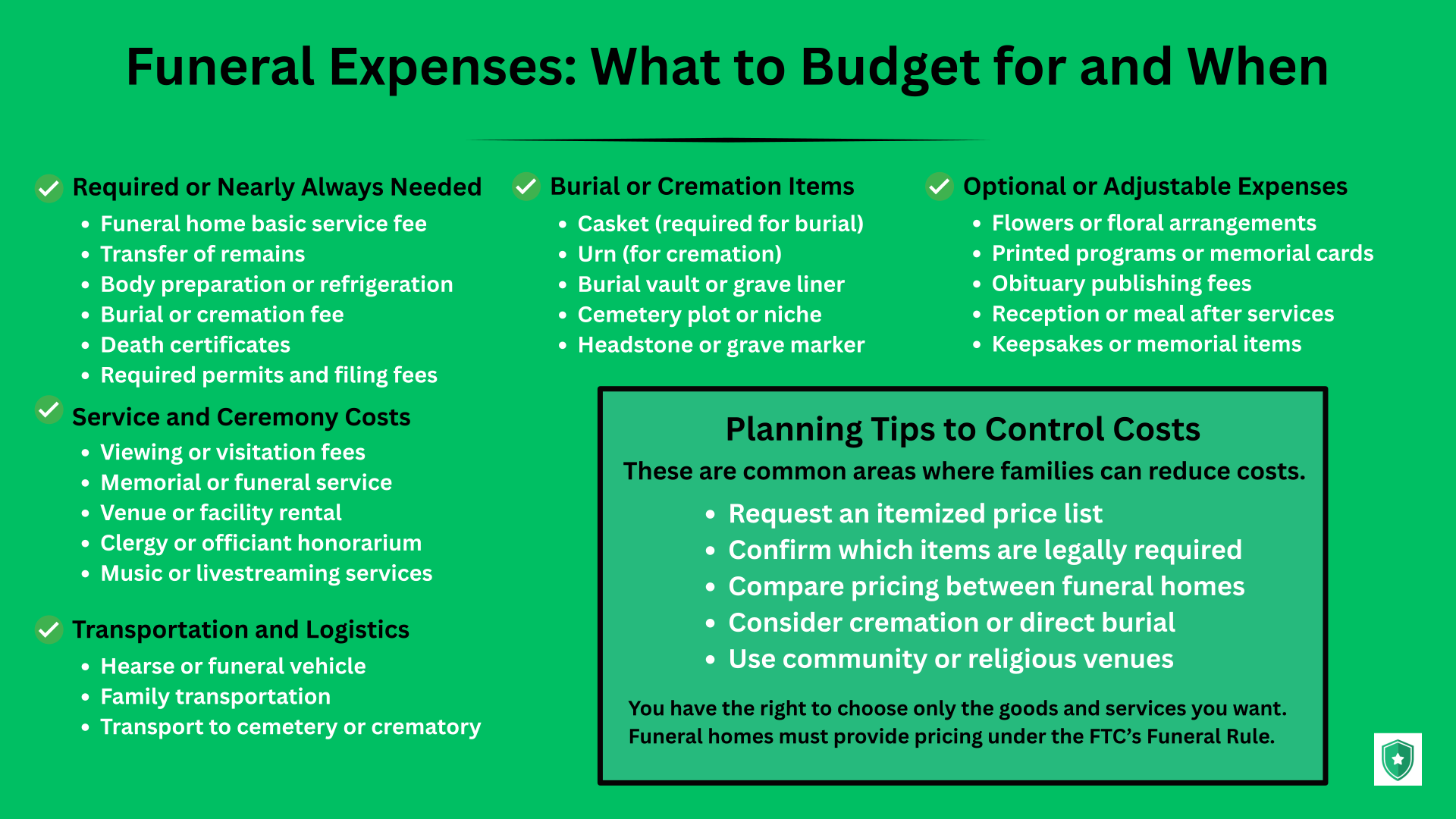
This funeral expense checklist breaks down common funeral costs and highlights where you may be able to reduce expenses.
Financial Planning Tools and Calculators
Funeral expenses often need to be handled quickly, which can make financial decisions feel overwhelming. Trusted Company Reviews offers several free financial calculators to help you estimate costs, explore payment options, and understand how different choices may affect your finances before committing to a plan. Of special interest may be our Personal Loan Calculator, Debt Consolidation Calculator, or Early Loan Payoff Calculator.
How to Choose the Right Option
Choosing the right option for paying for a funeral starts with considering the deceased’s wishes and available insurance policies and funds. If you need additional funds to pay for the service, consider applying for assistance from a charitable or government program. From there, consider low- or no-interest options, such as using savings or crowdfunding.
If you’re unable to secure the necessary support, compare the interest rates and repayment terms from funeral home programs, credit cards, and personal loans, and choose the one that works best for your situation.