
Credit cards are powerful financial tools that can help in a number of situations, but they don’t come without risks and costs. One of the most impactful costs is the interest rate, which for credit cards is typically far higher than for personal loans and other financial products.
As a borrower’s credit card debt grows, the double-digit interest rates on today’s credit cards can become crippling, making lowering those rates a priority for many people. The good news is that it’s completely possible to lower your annual percentage rate (APR), but the bad news is that it might take some time and work.
Lowering your credit card interest rate may be as simple as calling the issuer and negotiating, but in many cases, the borrower must improve their credit score and lower their card balance. Those steps take time, so it’s a good idea to start the process with the understanding that it won’t likely be an overnight fix.
It’s also crucial to note that scams are real and there are bad actors who prey on borrowers’ desperation. The Federal Trade Commission offers advice for avoiding these scams and what to watch out for.
Key Takeaways
|
Also Read: 5-Point Financial Contract Trust Checklist: How to Know If a Company Is Legit
Why Your Interest Rate Matters
Credit card companies charge for the convenience of using the card and for the risks involved with lending sometimes large sums of money to someone with no collateral, which is known as unsecured debt.
The interest rate matters because it dictates how much extra the borrower has to pay the bank for the debt they owe. As the debt grows, so do the interest payments, and a higher interest rate can lead to thousands of dollars in extra charges over the life of the repayment process.
Related Article: Compound Interest Vs. Simple Interest: What You Need to Know
How to Check Your Current Rates and Credit Profile
If you’re unsure of your credit card’s interest rate, you can review your account anytime online. Card companies are required to provide account documentation when asked, and you can quickly and easily check your interest rate, annual fees, and other charges without needing to speak to a person or visit a bank branch.
Your credit score plays a significant role in determining your interest rate, so take the time to check your score and look for errors that could be holding you back. Everyone is eligible for a free credit report once a year, or you can pay for a more detailed report from one of the three major reporting bureaus.
How to Lower Credit-Card and Unsecured Interest Rates
Lowering a credit card or other unsecured interest rate usually involves changing how the debt is structured or who it’s owed to. The options below outline the most common ways borrowers attempt to reduce interest costs, along with the tradeoffs to consider for each approach.
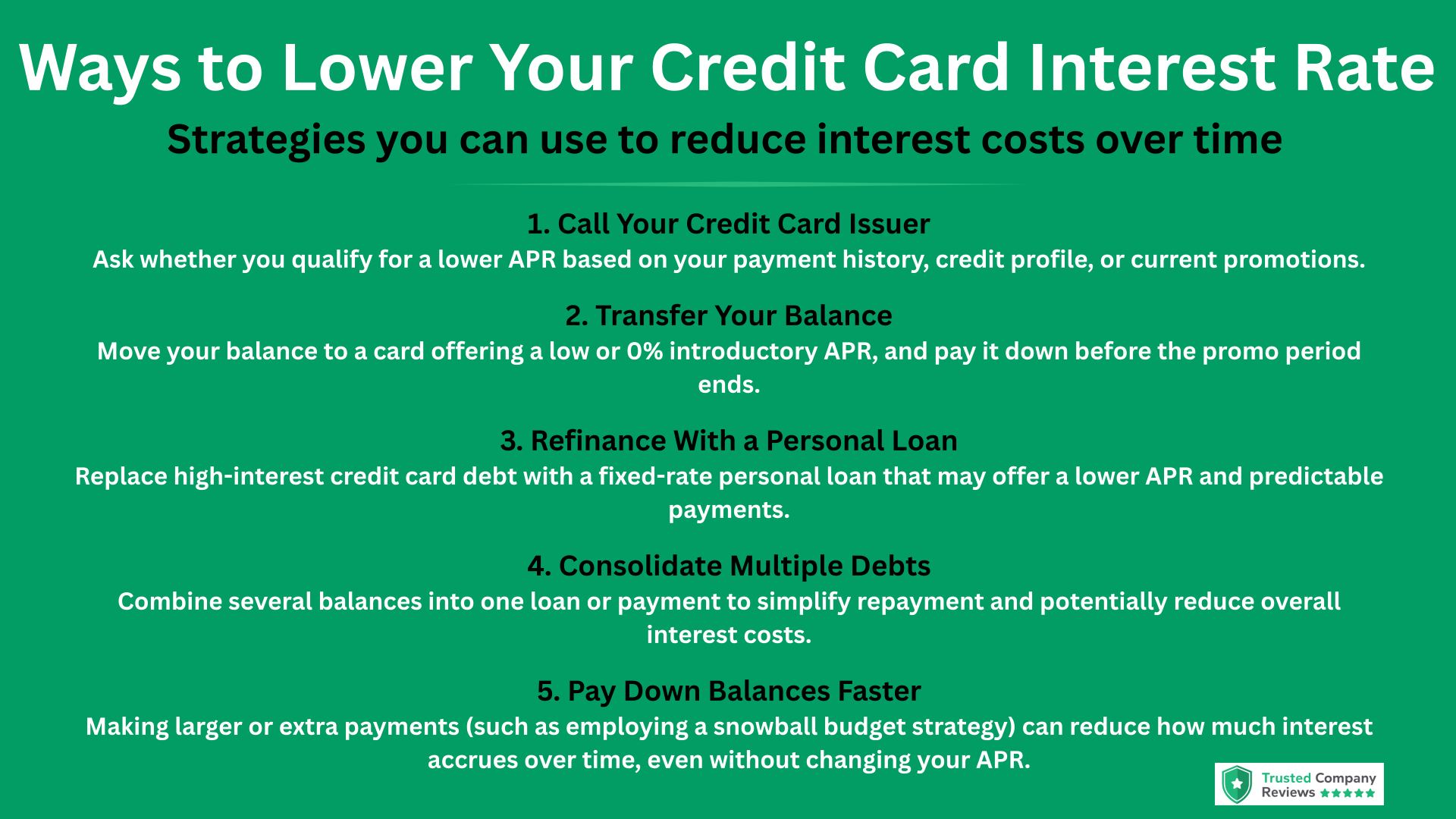
This overview highlights common ways borrowers try to lower credit card interest rates and manage high-interest debt.
Related Article: How to Use Credit: A Simple Guide to Building and Managing It Wisely
Should I transfer my balance to get a lower rate?
Transferring your balance from one card to another can be a great way to lower your interest rate. Balance transfer credit cards run specials and offer incentives to attract customers looking to potentially transfer a debt, but there are some risks to be aware of.
First, transferring to another credit card can initially lower your rate, but you must pay back the entire balance before the intro period expires to get the full benefit of the transfer. You may also be required to pay a balance transfer fee or other charges, so it’s essential to read the terms and conditions.
Can I refinance with a personal loan?
Personal loans are a great way to refinance debt, and they usually have far lower interest rates than credit cards. That said, it can be difficult to be approved for a personal loan, especially for someone with large credit debts, putting it further down the options list for many people.
While the interest rate may be cheaper, some loans have processing and application fees, so take the time to shop around if a personal loan is on the table for you.
Should I consolidate my debts?
In many cases, people have multiple debts holding them back, and the total monthly payments can become a real problem. Debt consolidation with a loan or other method can help reduce the monthly payments and interest paid, making it easier to manage the debt and pay it off over time.
Related Article: What is a Tier 1 Credit Score?
How to Lower Your Home and Auto Interest Rates
Home and auto loans are a little different than credit cards due to the asset tied to the loan, but it’s still possible to lower your interest rate. In most cases, refinancing is the way to go, but you may be able to take advantage of incentive programs, such as auto-pay, paperless discounts, and multiple account discounts.
Many lenders focus on home equity loans and automotive refinance loans with the express purpose of offering lower interest rates. That said, it’s extremely important to understand the terms and conditions of taking on another loan tied to your home or car.
Use Calculators to Compare Your Interest-Saving Options
Before committing to a balance transfer, consolidation loan, or payoff strategy, it can help to see how different options affect your total interest and monthly payments. The calculators below can help you compare scenarios and understand the long-term impact of reducing your interest rate.
- Personal Loan Calculator
- Debt Consolidation Calculator
- Home Equity Loan Calculator
- HELOC Payment Calculator
- Early Loan Payoff Calculator
- Debt Snowball Budget Calculator
These tools won’t change your interest rate on their own, but they can help you make more informed decisions before taking action.
How to Lower Your Student Loan Interest Rates
Many of us look to federal loan providers and others for student loans, but the interest rates might not be the best, and there may be other challenges related to the loan servicing company’s customer service.
Difficulties with student loans and other companies have led to the growth of an entire industry focused on refinancing student loan debt. The best companies typically offer lower monthly payments, fewer fees, and better customer service.
When Is It a Bad Idea To Chase Lower Interest Rates?
Your interest rate might be painful, but it’s important to look at the whole picture before you start looking for ways to lower the rate or change lenders.
Your current lender might offer benefits or have policies that are beneficial to you, such as late payment forgiveness and other services. You may really enjoy the lender’s customer service, or the card may have other perks that make the higher interest rate worthwhile, such as generous airline miles or cashback rewards.